In a London self build, motorised blinds wiring has to be settled at design stage, because the overheating rules can decide which windows need shading and the recesses for the blinds have to be framed into the ceilings. Pick the motor type, draw a pocket or a solid fixing over each window and have the cables in before the plasterboard goes up. The fabrics, colours and even the brand can then be chosen much later, once you can stand in the finished rooms.
This guide is for people building a new house in London, whether that is a detached home on a garden plot, a replacement dwelling or a mews house behind a terrace. It looks at what the Building Regulations for England say about shading, what your architect, builder and electrician each need to know, and how the blinds tie in with the lighting and the rest of the house.
Part O: why shading in a London new build starts with the regulations
Since June 2022, new homes in England have had to meet Part O of the Building Regulations, which deals with overheating. The government's Approved Document O treats urban and some suburban parts of London as a high risk location, listing the postcodes in its Appendix C, from much of east, south and west London to postcodes in north London and the City. A large share of London self builds fall inside that area.
Two points in the document matter for blinds. First, in a high risk location the simplified method asks for shading on glazing that faces anywhere from north east round through south to north west, and one of the listed ways to do it is external shutters with a means of ventilation. Second, where the house is checked by dynamic thermal modelling, the document says internal blinds and curtains reduce solar gain a little but should not be counted when deciding whether the house complies. External shutters and external blinds, on the other hand, are among the fixed shading options it lists.
In plain terms: the indoor blinds you love will make rooms more comfortable, but they will not get your design through Part O. If your energy consultant or architect specifies external shutters or blinds on the sunny elevations, ask for motorised ones and get the power to them drawn in now. Nobody wants to wind thirty shutters by hand every summer evening.
Choosing the motors before first fix
For a house that is still a set of drawings, wired motors are the sensible default. Battery motors are excellent in an existing home where you cannot run cables, but in a new build a wired motor never needs a charge, copes with wide and heavy blinds and curtains, and tells the control system exactly where it is.
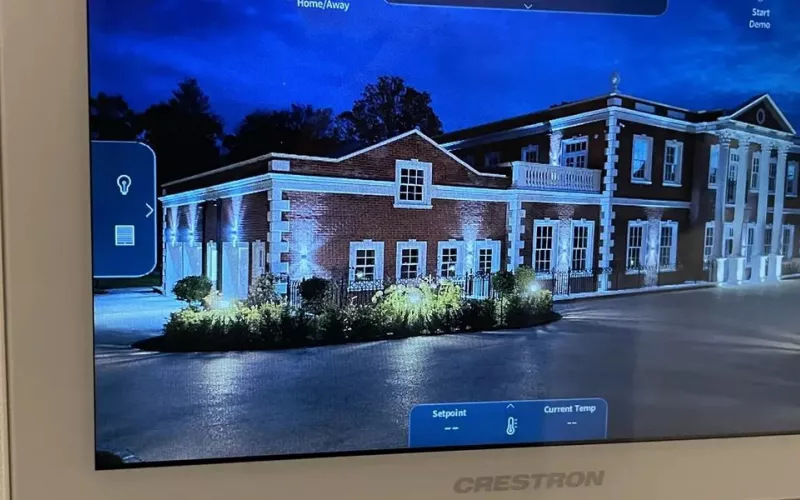
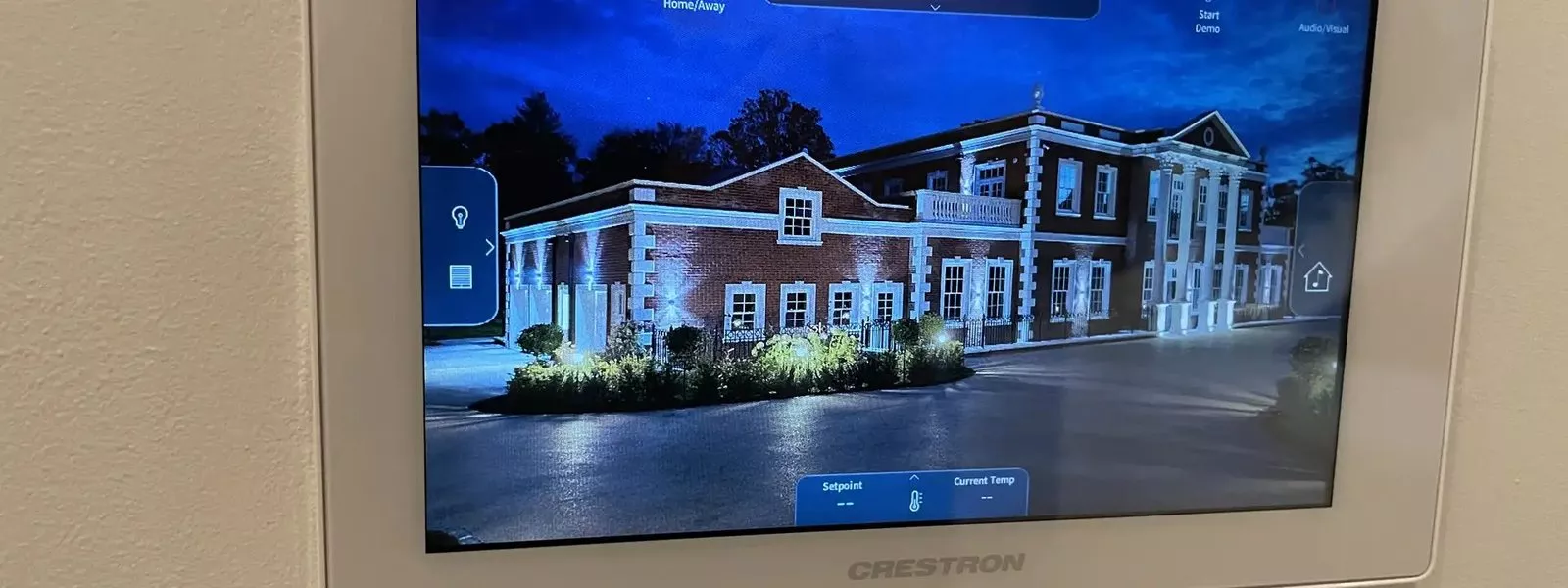
The catch is that wired systems differ. Some put mains power at every window, others take low voltage power and control from a central panel, and each needs its own type of cable. So decide on the system, or at least its type, before the electrician starts. We work with Crestron, Lutron and Qmotion, and our automated blinds page sets out how they compare. For a closer look at one option, read our post on Crestron horizontal sheer shades.
The electrical side is notifiable work under Part P of the Building Regulations, so the blinds circuits are designed, tested and certified with the rest of the electrics by your electrician. Our founder, Kieran McGuire, is an electrician, so we draw the blinds cabling in a way that fits neatly into that work.
Pockets, fixings and the window package
Hidden blinds need hidden space. The tidiest result is a pocket in the ceiling above each window, so the blind rolls up out of sight, and that pocket has to be on the architect's drawings before the ceilings are framed. These are the questions to settle with your architect and window supplier:
- Where each blind lives. In a ceiling pocket, inside the reveal or on the wall above. Note it window by window on the elevations, not as a general note that gets lost.
- Something solid to fix to. A long blind or a curtain track across a run of sliding doors is heavy. Ask for timber or another solid fixing behind the plasterboard along the whole width.
- Handles and opening gear. Tilt and turn windows, lift and slide doors and their handles need clearance, so the fabric never catches.
- Roof glazing. Rooflights and lantern roofs are where the sun does most harm. Ask the supplier whether a motorised blind is available for that product and what power it needs, before the order is placed.
- External shading. If Part O leads to external shutters or blinds, agree who supplies them and where their power and controls go, as they are fixed to the outside of the building and the cable has to come through the wall.
Motorised blinds wiring: a checklist for your drawings
| Item | What goes on the drawings | When | Who acts on it |
|---|---|---|---|
| Every indoor blind or curtain | A labelled cable at the motor end of the pocket or bracket, the type set by the chosen system | Before first fix | Electrician, smart home designer |
| Ceiling pockets | Size and position of each pocket, plus a continuous solid fixing | Design stage | Architect, builder |
| External shutters or blinds | Power and control positions on the outside walls, with sealed entry points | When the Part O strategy is agreed | Architect, energy consultant, electrician |
| Rooflights and lantern roofs | The supply the glazing maker asks for | When the glazing is ordered | Window supplier, electrician |
| Keypads | A back box by each room's door, beside the light switches, so one plate can do both | Before first fix | Smart home designer, electrician |
| Equipment space | Room in the comms cabinet or plant room for a blinds panel or processor | Design stage | Architect, electrician |
Cables into ceiling pockets often pass through the airtight layer just above the glazing, so seal them carefully. Our first fix wiring guide for London self builds explains what the air test looks for.
Making the blinds part of the house
Blinds pay back their cost when they work with everything else. On a hot afternoon a timetable can lower the blinds on the west facing rooms before they warm up, and at dusk the whole house can close at once so it looks occupied while you are away. One button by the bed can open the curtains and bring the lights up gently in the morning.
That means putting the blinds on the same system as the lighting, which our lighting design guide for London self builds covers, along with where to put the keypads. If you want one system across lighting, blinds, heating and audio, our home automation in London page explains how we approach it, and our motorised blinds in London page lists what we install.
How we work with your team
We design, supply, install and programme motorised blinds and curtains, and we hand your electrician drawings and a cable schedule showing every motor, pocket, keypad and cable, so the first fix is done once and done right. Our survey and design service explains how that works, from the first look at your plans to the handover.
Questions we are often asked
Do internal blinds help a new home pass Part O?
No. Approved Document O says internal blinds and curtains should not be counted when checking compliance by dynamic thermal modelling. External shutters, external blinds, overhangs and the glazing itself are what the document lists. Internal blinds still make rooms more comfortable.
Is my London plot in a Part O high risk location?
Appendix C of Approved Document O lists the high risk postcodes. Many inner and some outer London postcodes are on it, so check yours early with your architect or energy consultant.
Should I choose wired or battery motors for a new build?
Wired, in most cases. With the walls open the cable costs little, and wired motors suit large blinds and curtains without any charging. Battery motors are best kept for windows where a cable cannot be run.
When do the blind fabrics need to be chosen?
Much later than the wiring. The pockets, fixings and cables are fixed at design stage and first fix, while fabrics are usually chosen once the rooms are plastered and you can see the light.
Can the blinds work without the internet?
Yes. A well designed system runs inside the house, so keypads, scenes and timetables carry on if the broadband drops. Only control from outside the house stops until it returns.
Book a consultation or call our head office on 01344 937999 (London office 0208 064 0196).
- Log in to post comments