On 21 October 2026 Biamp published a case study showing that its Biamp Vocia paging and voice evacuation system has given Cardijn College in Adelaide, South Australia, more than a decade of uninterrupted bells, announcements and emergency messages across three campuses. For a London school or college, it is a useful reminder that the paging system is the one piece of audio that has to work every single day, and that the way it is designed decides whether it survives power cuts, network faults and growth.
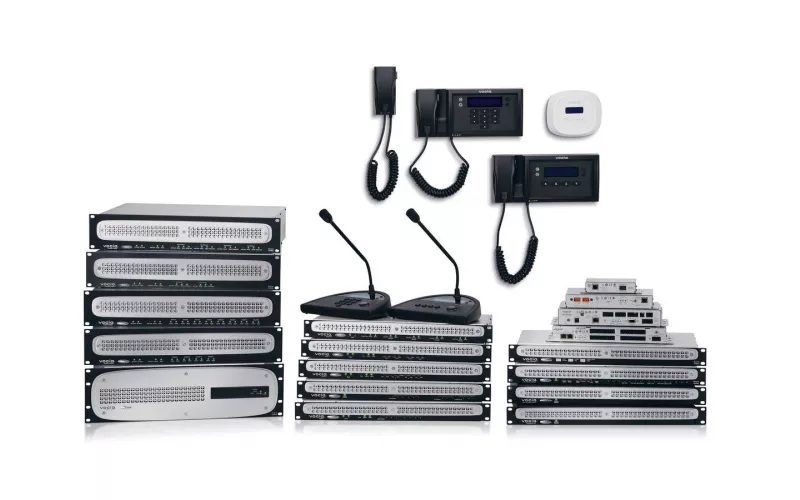
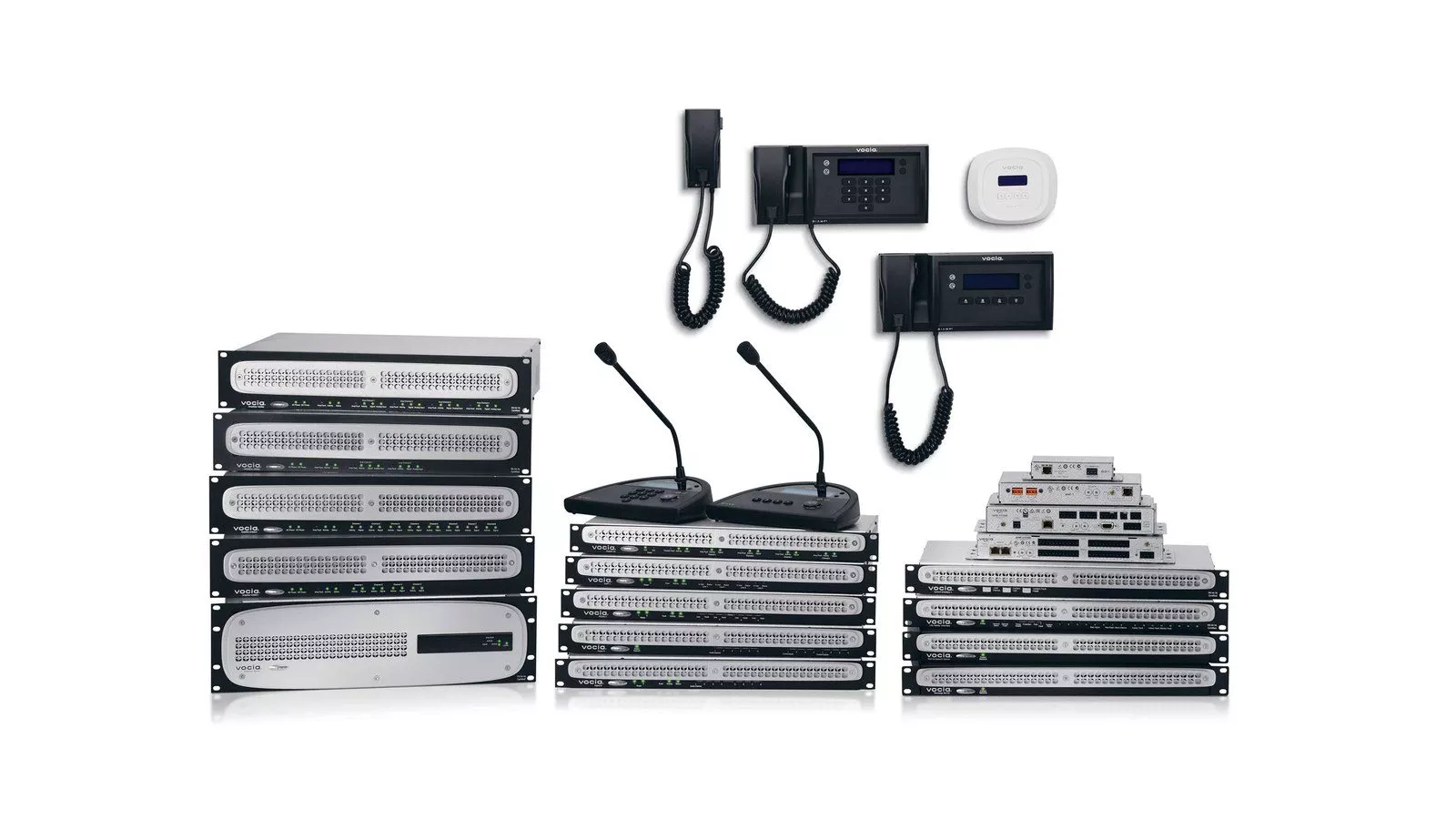
Product image: Biamp.
- Biamp announced the Cardijn College case study in a release dated 21 October 2026, from Beaverton, Oregon.
- Cardijn College is a multi campus Catholic college in Adelaide with more than 2,250 students and staff across three campuses, and a fourth in development.
- Each campus has its own Biamp Vocia core processor, so Biamp says each site keeps working locally even when the internet connection is down.
- Biamp says the system came back without anyone touching it after power cuts of six to eight hours.
- Live announcements are made from Biamp Vocia DS-10 paging stations in the administration areas, and one building on the Marian campus uses Biamp Voltera amplifiers with Desono ceiling speakers.
What Biamp says happened at Cardijn College
According to Biamp's press release of 21 October 2026, the college relies on Vocia, Biamp's IP based paging and voice evacuation platform, for automated scheduled bells and for zoned paging, both for daily announcements and in emergencies. The system has run for more than ten years.
Tony Sayce, the college's ICT Director, is quoted by Biamp as saying: "I don't touch the Vocia system. It pretty much runs itself." That is the headline for any facilities manager. A paging system rarely gets attention until it fails, and when it fails in a school it fails in front of everyone.
Biamp also describes how the college uses the zones. Announcements can go to staff only, to students indoors, to students outdoors, or to any mix of those. The college keeps its announcements live rather than recorded, because Biamp says students respond more reliably to a voice they know, especially during emergency drills.
The release does not name an installer, and 1Install had no part in this job. We report it because it is a long term record of how a networked paging system behaves in a real school, which is rarer than launch news.
Why a long running Biamp Vocia system matters to a London school
Most schools in London have some form of bell and paging system, and many have grown it in pieces: a bell timer in the office, a separate amplifier for the hall, a microphone in reception and a fire alarm that does its own thing. The Cardijn College story shows the other approach, where bells, live paging and emergency messages share one designed system.
Local operation. Each Cardijn campus has its own processor. If the internet connection drops, each site still rings its own bells and takes its own announcements. For a London trust running more than one school, that is the question to ask of any shared system: what still works at each school when the wide area link is down?
Recovery after a power cut. Biamp says the system restarted on its own after outages of six to eight hours. In practice that depends on how the system is powered and how its network switches come back, so it is worth testing on site, not just reading on a data sheet.
Growth. The college plans to copy the same Vocia set up to its planned Larkin and Aldinga sites. A school planning a new block or a sixth form building should expect the same from its paging: the new building joins the existing system rather than getting a separate one.
What a Biamp Vocia school system is made of
Biamp's own design library has a template for school paging and evacuation, and its Vocia data sheets describe the parts. A typical school system includes:
| Part | What it does | Example from Biamp |
|---|---|---|
| Desk paging station | Live announcements from the office | DS-10: ten buttons and up to 999 page codes, with a gooseneck microphone |
| Message processor | Stores messages and runs the bell schedule | MS-1e in Biamp's school template |
| Amplifiers | Drive the speaker zones | Vocia amplifiers, or Voltera as in one Cardijn building |
| Line monitoring | Reports a broken speaker line as a fault | PLD-2 devices in Biamp's template |
| Life safety interface | Connects the paging to the fire panel | LSI-16e in Biamp's template |
Biamp's DS-10 data sheet says the station is powered over the network cable (802.3af PoE) and carries audio and control over CobraNet. Biamp's school template recommends keeping that audio network separate, or on its own VLAN, because it needs bandwidth. In a school where the IT team manages one shared network, that point needs agreeing early.
Voice evacuation: where paging meets the fire strategy
Biamp says Vocia is EN 54 certified and that it was the first US manufacturer to earn EN 54-16 certification, the European standard for voice alarm control and indicating equipment. Its school template also says that local standards may apply to the design, commissioning and operation of voice evacuation, and that the template must be checked by the relevant authorities.
So if your school wants the paging system to carry evacuation messages, treat it as part of the building's fire and safety strategy from the start, and involve whoever is responsible for that strategy. If the system is only for bells and everyday announcements, the design is simpler, but it still needs zones that match how the site is actually used.
A checklist for London schools reviewing their paging
- List the zones you really use. Classrooms, corridors, the hall, the playground, the staff room and the office rarely need the same announcements.
- Decide who pages from where. Reception, the head's office and a station near the main entrance are common points.
- Test a power cut. Switch off, wait, and see what comes back without help.
- Check monitoring. Find out whether a cut speaker cable would be reported, or only discovered at the next fire drill.
- Plan for the next building. Ask how a new block would join the system.
If you are planning wider audio work, our posts on Biamp voice reinforcement in lecture theatres and on the Biamp audio system at a North Adelaide gym cover other Biamp jobs from Biamp's own releases. You can also read about our work in education AV, our AV installers in London, maintenance and support and how a project runs.
1Install designs, supplies and installs meeting rooms, Teams Rooms and audio visual systems for offices, schools and colleges in London.
Questions we are often asked
What is Biamp Vocia?
Biamp Vocia is Biamp's networked paging and voice evacuation platform, used for live announcements, recorded messages, scheduled bells and emergency messages in schools, campuses and public buildings.
How long has Biamp Vocia been running at Cardijn College?
More than ten years. Biamp's case study of 21 October 2026 says the college has had more than a decade of uninterrupted service from it across its campuses.
Can Biamp Vocia ring school bells?
Yes. Cardijn College uses it for automated scheduled bells, and Biamp's school template runs the bell schedule on the Vocia message processor.
Does a school paging system keep working if the internet goes down?
It depends on the design. At Cardijn College each campus has its own Vocia core, which Biamp says keeps each site working locally during internet outages.
Is Biamp Vocia certified for voice evacuation?
Yes, for its life safety parts. Biamp says Vocia's voice alarm control and indicating equipment is EN 54-16 certified, but each building's evacuation design still has to meet the local rules.
Book a consultation or call our head office on 01344 937999 (London office 0208 064 0196).
- Log in to post comments