Energy management in a new home means one set of rules for the heat pump, the solar panels, the battery and the EV charge point, so the house uses its own electricity first and buys the rest when it is cheapest. For a London self build the groundwork is already partly done by law, because every home charge point sold here must be a smart one, but the house still needs the right cables and equipment that can share information. This guide covers how the parts fit together and what to settle before first fix.
It is written for people building their own home in London, whether that is a replacement dwelling on a suburban plot, a mews infill or a new house at the end of a garden, where space for plant is tight and every cable route has to be agreed early.
What the charge point rules already do for you
The Electric Vehicles (Smart Charge Points) Regulations 2021 set the baseline. A home charge point must have smart functionality: it has to be able to send and receive information over a communications network and change when and how fast it charges in response. Its pre set default charging hours must sit outside the peak hours, which the regulations define as 8am to 11am and 4pm to 10pm on weekdays (unless the charge point is supplied with a demand side response agreement), and the owner must be able to accept, remove or change those hours. It must keep charging if it loses its network connection, and it must be able to show you how much energy it has used per session, per month and over the last year.
That is a good start, but a charge point that only knows the clock cannot see whether the solar panels are producing or the battery is full. Energy management connects it to the rest of the house.
How energy management works in practice
| Situation | What the house does |
|---|---|
| Sunny day, car on the drive | Surplus solar goes to the car and the hot water before anything is exported |
| Sunny day, nobody home | The battery and hot water cylinder fill from the panels |
| Weekday evening peak | The house runs from the battery and the charge point waits |
| Overnight on a cheaper tariff | The car charges, and the battery tops up if tomorrow looks dull |
| Away for the weekend | Heating set back, charging paused, monitoring still running |
Tariffs change, so the hours should be settings you can edit, not values buried in the programming.
The heat pump and hot water
A heat pump runs most efficiently at a steady output, so we do not switch it on and off to chase prices. The hot water cylinder is where the flexibility is: it can be heated from surplus solar or on cheap hours and hold that heat for the evening. Heat pumps themselves are outside what we fit, but we wire and programme the controls around them and link them to the rest of the house.
Solar, the battery and the inverter
The inverter is the part that knows what the panels are producing and what the house is using, so everything else takes its lead from it. Give it, and the battery, a wired network connection rather than trusting Wi-Fi in a loft, a garage or a basement plant room. Decide at design stage whether the battery should keep any circuits running in a power cut, because that depends on the inverter and on how the consumer unit is arranged. Our guide to solar panels for a London self build covers the roof and the cable routes, and our EV charger wiring guide covers the charge point position and supply.
What to cable before first fix
- A Cat6 cable from the comms cabinet to the inverter, the battery and the charge point, even if some of the equipment comes later.
- A Cat6 cable to the heat pump controller, so the heating can be part of the same rules.
- Room beside the consumer unit for energy monitoring on the larger circuits.
- Agreed positions for the inverter and battery, with the access and ventilation the makers ask for, which in a tight London plot often means planning the plant space early.
- A comms cabinet with power and space for the network and control equipment.
Our founder, Kieran McGuire, is an electrician, and we give your electrician drawings and cable schedules with every run, cable type and termination listed. Our survey and design service brings the energy equipment, the heating controls and the network into one plan, and our first fix wiring guide for London self builds covers the rest of the house.
Pick equipment that can share information
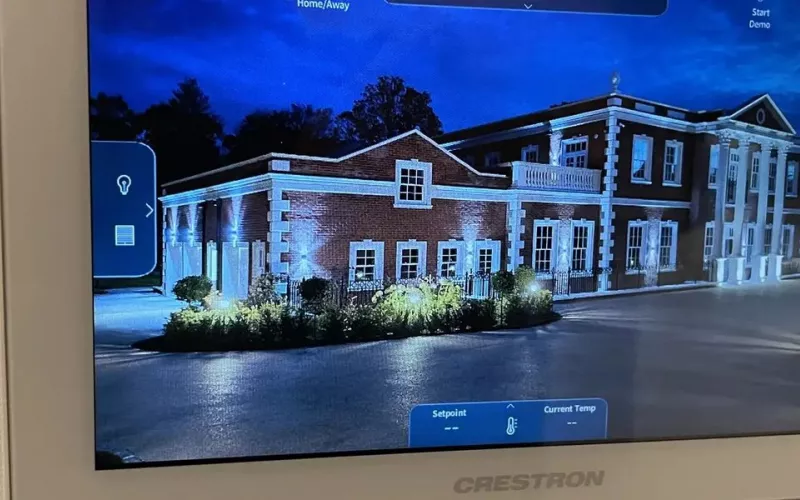
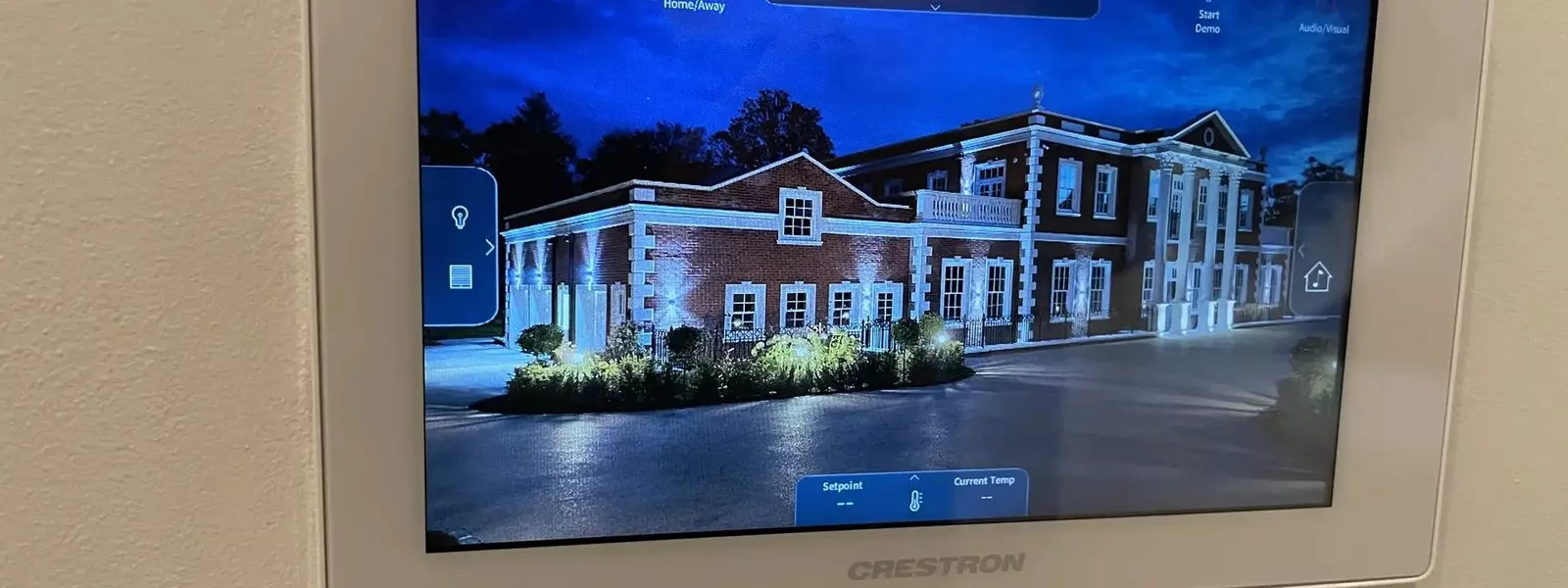
Before ordering, ask each supplier whether the inverter, battery and charge point can be monitored and controlled over the local network, not only through the maker's app and cloud service. Equipment from a single maker usually cooperates well but ties you to that maker; a home automation system can sit above mixed equipment and apply your rules to all of it. With a Crestron or Control4 system we can put solar output, battery charge and car charging on the same touch screen as the lighting and heating, as our home automation page for London shows. For many homes, a well matched inverter and charge point following the tariff is enough, and we will say so.
A design consultation costs £360 plus VAT, with extra time at £90 an hour plus VAT, as on our booking page.
Questions we are often asked
Is energy management worth it without solar panels?
It is less valuable, but shifting car charging and hot water to cheaper hours still helps. It earns its keep once solar or a battery is added.
Can I override the charge point's default hours?
Yes. The regulations require that the owner can accept, remove or change the default hours and override them when needed.
Does a home battery keep the lights on in a power cut?
Only if the inverter supports backup and the circuits are arranged for it. Choose the essential circuits at design stage.
Can I add a battery later?
Usually, if the cables and the space are planned now. Adding them after the plastering is far more disruptive.
Who maintains the system?
The heat pump installer services the heat pump. We look after the network, the controls and the programming that link everything together.
Book a consultation or call our head office on 01344 937999 (London office 0208 064 0196).
- Log in to post comments